Technical article
I Almost Wrecked a $12,000 Order by Skipping the Manual (An Endress+Hauser Level Transmitter Lesson)
by Jane Smith
A field engineer shares a costly mistake from a project involving Endress+Hauser level transmitters, nuclear level sensors, and a Flir vs Fluke thermal camera debate. Learn how a simple manual check can save your budget and reputation.
The Setup: A Routine Upgrade That Felt Too Easy
Back in September 2022, I was handling a modernization order for a mid-sized chemical plant. The spec called for replacing 12 old nuclear level transmitters with modern guided-wave radar units. The client had a strong preference for Endress+Hauser gear, and we had a good relationship with the supplier. I thought I knew the product line well enough from previous projects. I was wrong.
The project kicked off smoothly. We pulled the specs, checked the tank geometries, and submitted the purchase requisition. The total for the level transmitters plus spare parts came to about $12,400. A solid, mid-sized order. In my head, I was already allocating the budget for the next phase. But here's the thing about process instrumentation: one tiny oversight can turn a routine upgrade into a nightmare.
The Turn: When a 'Simple' Detail Became a $3,200 Mistake
During the procurement phase, I had a quick internal debate about one specific aspect of the order. The nuclear level transmitters being replaced were from an older generation. Their output signal needed to match a specific legacy control system. My teammate, a mechanical engineer with a bit of instrumentation background, assured me that the new Endress+Hauser units would be compatible. 'It's a standard 4-20 mA loop,' he said. 'Plug and play.'
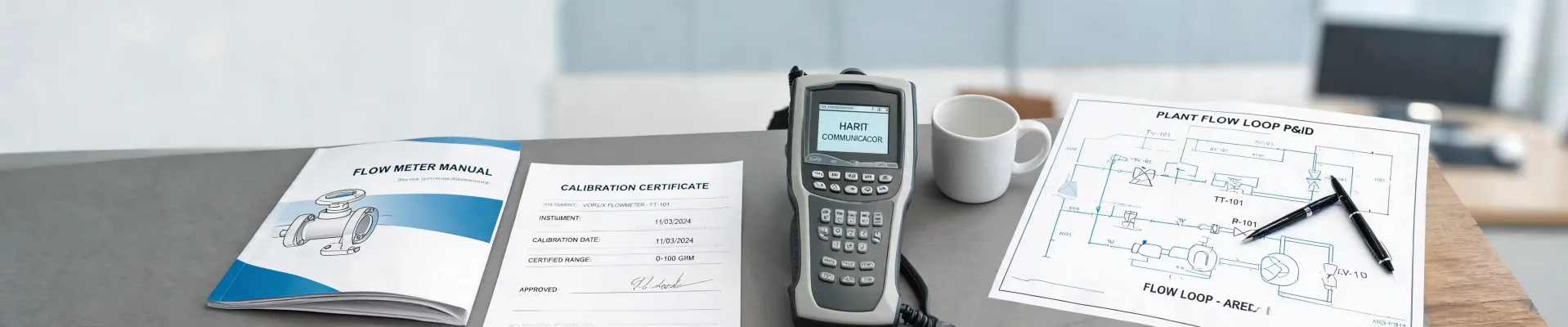
I didn't verify this. I didn't pull up the Endress+Hauser level transmitter manual for that specific model. I trusted his assumption. That cost me.
When the first batch of six transmitters arrived, I went to the warehouse to inspect them. They looked great. But something felt off. The wiring diagram on the side of the unit showed a different pinout than what I expected. I got a sinking feeling. I called the supplier's technical support, and the conversation went like this:
Me: 'Hey, these model X transmitters. The manual we have on file shows a 3-wire configuration for HART. But these units look like they need a 4-wire setup for the specific power supply we're using.'
Tech Support: 'Check the manual for the latest revision. We made a change in early 2022 to the power supply requirements. If you're using the older PS-1000 power supply, you need a different wiring kit.'
I hung up and downloaded the latest manual. It was there, clear as day. The revision note from March 2022. I had checked my own notes, but not the official source. I had approved a $3,200 order of the wrong wiring kits. Plus, we had to buy new power supplies and rush ship them.
The total waste? About $3,200 for the kits plus a one-week delay. On a $12,400 order. The worst part? The client found out before I could tell them. A missed trust mark, right at the start of the project.
The Aftermath: A Lesson in Trusting the Manual, Not My Memory
After that disaster, I created a standard operating procedure for our team. It's a simple checklist that takes 15 minutes. It includes one mandatory step: Download and read the installation manual for every single major component. No exceptions. Not the product datasheet. Not the quick start guide. The full manual.
And it's not just about level transmitters. I've seen similar mistakes with turbine flow meters, pressure transmitters, even temperature sensors. A colleague of mine once ordered a Flir thermal camera for a high-temperature furnace inspection, assuming it was the right model for the job. He didn't check the manual's temperature range. He ended up having to buy a Fluke thermal camera (a super expensive model) instead, wasting almost $1,000 on the first one. Now he jokes that the 'Flir vs Fluke' debate is often just a matter of checking the manual's specs.
Since that day in 2022, our team has caught 47 potential errors using my pre-order checklist. Not bad for a list created out of embarrassment.
The Bottom Line: Don't Be That Guy
When you're handling a complex B2B order, especially for process automation, the product itself is only part of the equation. The manual is the authority. I learned this the hard way. Now, I'm the one who reminds the junior engineers: 'Look, I don't care if you've installed a hundred Endress+Hauser level transmitters. Check the manual for this specific order. It might have changed last week.'
Is a premium brand like Endress+Hauser worth the cost? Absolutely. Their reliability is top-notch. But even the best equipment can fail in the wrong setup. The real value is in the details. In my opinion, the extra five minutes spent on a manual check is the best insurance policy you can buy.

Jane Smith
I’m Jane Smith, a senior content writer with over 15 years of experience in the packaging and printing industry. I specialize in writing about the latest trends, technologies, and best practices in packaging design, sustainability, and printing techniques. My goal is to help businesses understand complex printing processes and design solutions that enhance both product packaging and brand visibility.