Technical article
Endress+Hauser and the $32,000 Rework Lesson: What Actually Saves Money in Process Instrumentation
by Jane Smith
A procurement manager shares why Endress+Hauser electromagnetic flow meters, Endress+Hauser temperature sensors, the Fluke 45 dual display multimeter, HPLC, and the Klein vs Fluke multimeter debate matter less than the verification step around them.
If you're budgeting for process instrumentation, put a pre-installation verification step in the plan before you buy anything. That single habit has saved us an estimated $32,000 in avoided rework over the last six years. The sensor is rarely the problem. The skipped check around the sensor is.
I track every instrument-related dollar at a 220-person specialty chemical manufacturer. I've managed a $250,000 annual instrumentation budget for eight years, compared quotes from more than 40 vendors, and documented every order in our cost tracking system. When I audited our 2023 spending, 18% of our instrument-related costs were rework: site visits, replace-on-any-doubt decisions, process downtime. Not one failed sensor caused it. The expensive part was installing good equipment the wrong way.
When I first started this role, I assumed the lowest quote was the best choice. A few budget overruns later, I realized I was comparing the wrong number. The real cost isn't the sensor's purchase price. It's what happens after installation.
The expensive lesson was a $400 sensor, not a flow meter
Take the electromagnetic flow meter Endress+Hauser we installed in our cooling water line in 2021. Factory calibrated, delivered on time, and, frankly, one of the better procurement decisions we made. But we skipped the post-installation zero check (pump off, line full) because I wanted to hit a production deadline. The reading drifted 1.8% low. If you think that's not huge, run the math on a line that moves 200,000 gallons a day. It's huge.
Five minutes of verification is cheap. Five days of having a meter lie to you is not.
The same lesson shows up in a smaller component. The Endress+Hauser temperature sensor we standardized on in our reactors is a $400 piece of hardware. It doesn't look complicated, so it gets treated like it can't be miswired. But a temperature reading 1.2°C high is enough to push a batch outside its validated range in some of our products. We found one during a loop check that everyone wanted to skip because wiring is simple. That check took two minutes. The potential rework would have been six figures.
Per IEC 60751, a Class A PT100 is ±0.15°C at 0°C. That's the tolerance you're paying for. But it only matters if the loop scaling and wiring are correct.
Why I stopped obsessing over vendor specs
Spec sheets are written in ideal conditions. The datasheet accuracy number is real, but it doesn't cover grounding, cable length, or whether someone swapped the analog output range. That's why our procurement policy now requires a verification step in the project checklist. The quote comparison is still important, but it's not the most expensive decision.
When I compared quotes for a $4,200 annual calibration contract, the cheaper vendor was very attractive. Then I added travel, setup documentation, and downtime for the calibration visits. The total was actually $700 higher than the vendor with the higher per-instrument rate. That's the TCO lesson that keeps repeating.
I built a TCO spreadsheet after getting burned on hidden fees twice. The first page is not the purchase price. It's the cost of hosting the instrument in the plant: installation, commissioning, verification, calibration, downtime risk, and documentation.
Here's what still surprises me: the most expensive instrument problem we've had wasn't a failed transmitter. It was a wiring error caught too late. The transmitter was fine. The documentation was fine. The cable was terminated in the wrong terminal.
What I check now
After that audit, I built a simple verification checklist. It's not clever, but it's cheap insurance.
- Zero check on every new electromagnetic flow meter with the pump off and the line full before it enters service.
- Resistance-to-4-20 mA scaling check on every temperature sensor before it's wired into the PLC.
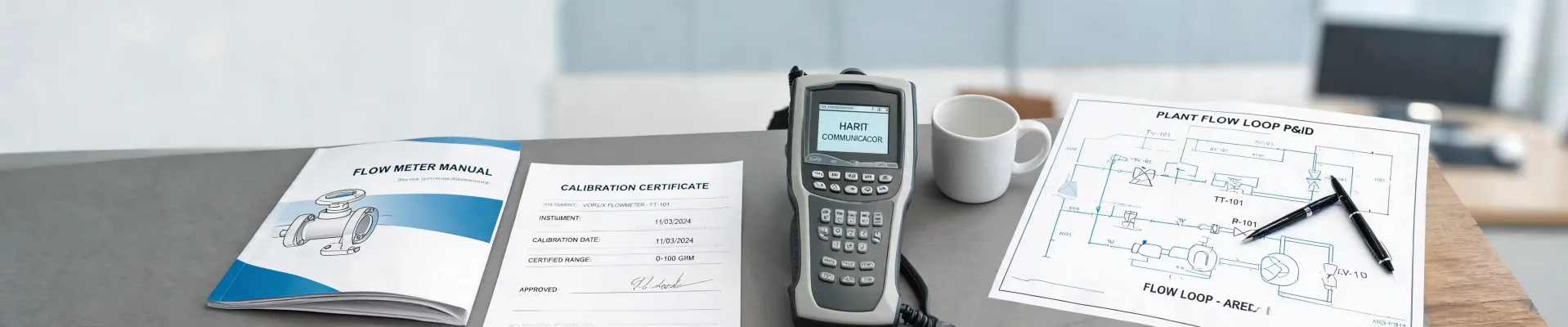
- Output comparison with a second meter during commissioning. That's where the Fluke 45 dual display multimeter earns its space on the bench.
- The same checks after any instrument returns from repair.
I'm not saying my team is perfect at this. We're not. But the projects where we skipped these steps are the ones that cost the most. The list isn't long, but it's repeatable. That's the point.
Multimeter debates are mostly wasted energy
Ask ten electricians about Klein vs Fluke multimeter, and you'll get a real argument. For general wiring, Klein is fine. I carry one myself. But for loop checks and sensor verification, I use a Fluke 45 dual display multimeter. The reason isn't brand loyalty. The dual display lets me see the process value and the loop output at the same time, so a scaling error shows up before it becomes a batch deviation.
The Fluke 45 dual display multimeter isn't a new product. Ours was manufactured years ago. But for a 4-20 mA loop check, that older design can be more useful than a lot of newer features. It shows both the measured mA and the displayed process variable simultaneously, which makes it obvious when a scaling mismatch is hiding in the PLC.
If you're doing only process work, a dedicated loop calibrator is a better spend than another multimeter. But the Fluke 45 dual display multimeter is enough for most maintenance teams. It's a practical middle ground.
Having a fancier meter doesn't do the work. A good loop check requires using the right tool at the right moment.
Fancy analyzers get the glory. Utility sensors cause the rework.
In pharma plants, the HPLC gets all the attention. That makes sense; it's a sophisticated analyzer. But in the plants I work with, batch exceptions are more often traced to an unverified temperature sensor than to an HPLC method failure. Actually, the analyzer isn't the problem. The sensor before it is.
If a temperature transmitter drifts in a bioreactor buffer tank, you don't find out until the final product fails release testing. That's the most expensive way to learn about a $400 sensor.
HPLC calibration is a scheduled event. Sensor verification should be scheduled the same way.
When this advice doesn't apply
This approach fits a plant our size with a small instrument team. If you're building a greenfield site with a full metrology lab, your economics are different; you can stage and verify everything systematically before start-up. If your instrument is used for trade custody transfer or regulatory compliance, an in-house check isn't enough. Use an ISO/IEC 17025 accredited calibration provider and follow your validated procedures.
Don't treat my checklist as a substitute for the manufacturer's installation manual. The Endress+Hauser documentation is specific to each device; follow it.
As of January 2025, this is the approach that's working for us. Product lines change and pricing shifts, so verify current Endress+Hauser specs before you lock a budget. And honestly, I'm still not sure why verification is so easy to skip. My best guess is that it doesn't show up as a line item until something fails. If you've found a way to make it stick, I'd love to hear it.

Jane Smith
I’m Jane Smith, a senior content writer with over 15 years of experience in the packaging and printing industry. I specialize in writing about the latest trends, technologies, and best practices in packaging design, sustainability, and printing techniques. My goal is to help businesses understand complex printing processes and design solutions that enhance both product packaging and brand visibility.